


SUBMERCIBLE PUMP
17 Jul
Posted By
0 Comment(s)
40 View(s)
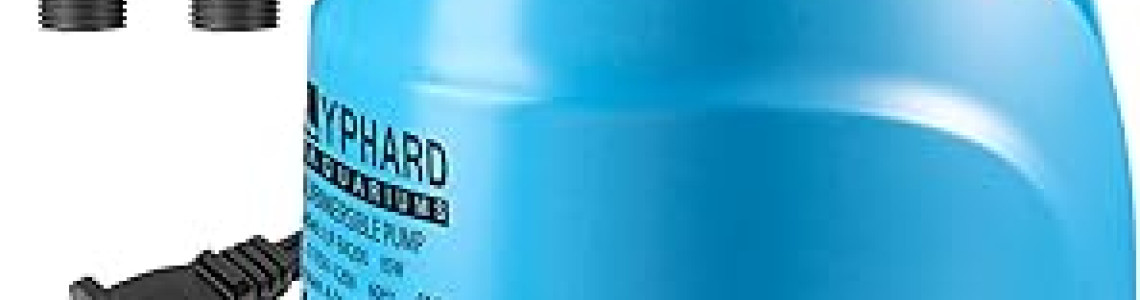
Submersible pumps are water-pumping devices engineered to operate while completely submerged underwater. Unlike surface pumps that pull water up via suction, submersible pumps push water up to the surface. This fundamental design makes them highly efficient, eliminates suction loss, prevents air locks, and ensures virtually silent operation.
Primary Types of Submersible Pumps
- Borehole & Deep Well Pumps: Long, narrow stainless steel cylinders built to fit inside drilled narrow holes to pull groundwater from depths up to 300 meters.mp & Utility Pumps: Compact devices used in homes to empty flooded basements, drain pools, or clear standing water pits.
- Sewage & Trash Pumps: Heavy-duty pumps featuring a specialized impeller designed to pass solid debris and thick wastewater without clogging up.
- Solar & Hybrid Pumps: Systems powered by DC solar panels, providing an eco-friendly and cost-efficient option for remote or off-grid locations.
What to Look For When Buying
When selecting a submersible pump, consider these four vital performance metrics:
- The Maximum Head (Lift): The vertical height a pump can push water up to its destination. Always choose a pump with a head rating slightly higher than your actual depth.
- Flow Rate: Measured in liters per hour or cubic meters per hour (m³/h), this tells you how much water the pump moves per cycle.
- Horsepower (HP): Submersible motors typically range from 0.5 HP for light household use up to 5+ HP for heavy agricultural or industrial applications.
- Material Build: Opt for a high-quality stainless steel body. Experts note that stainless steel models can last roughly 40% longer than thermoplastic options when submerged in mineral-rich water.
Leave a Comment